
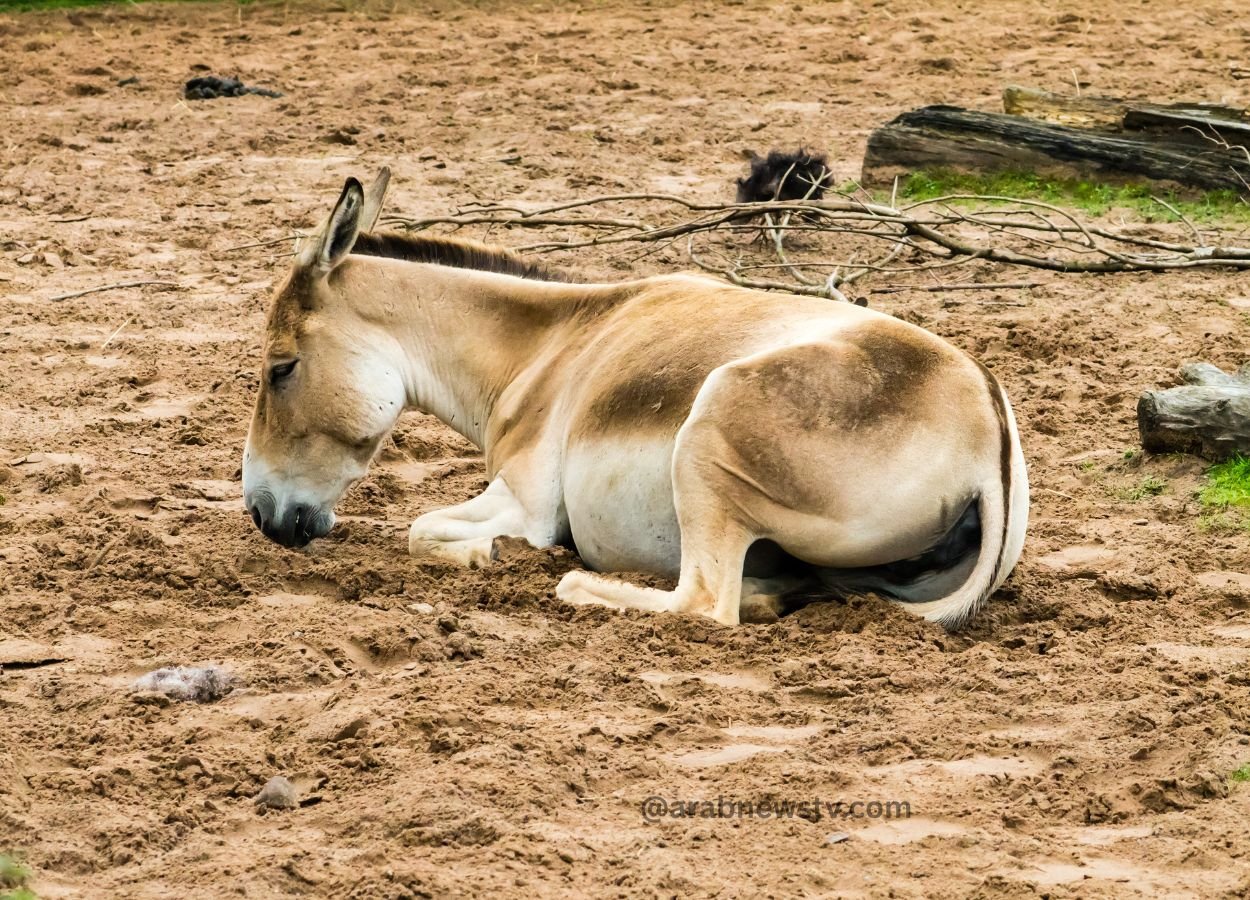
Saudi Arabia has recorded a major conservation milestone with the birth of a wild onager foal, marking the species’ successful return to the Kingdom’s deserts more than 100 years after it disappeared from the region. The birth is being hailed as a significant achievement for ongoing wildlife restoration efforts aimed at rebuilding native ecosystems.
The foal was born inside one of Saudi Arabia’s protected reserves following the reintroduction of the onager, a wild ass native to parts of Asia that once roamed the Arabian Peninsula. Conservation authorities said the birth provides strong evidence that the animals are adapting successfully to their natural habitat and establishing a self-sustaining population.
The reintroduction programme forms part of wider environmental initiatives designed to restore biodiversity, protect endangered wildlife and rehabilitate desert landscapes. Wildlife experts have spent years preparing protected habitats, monitoring animal health and ensuring the reintroduced herd could survive and reproduce in the wild.
The onager plays an important ecological role by helping maintain healthy desert ecosystems through grazing and seed dispersal. Conservationists believe the species’ return will contribute to improving biodiversity while supporting long-term ecological balance across protected areas.
Saudi Arabia has expanded its conservation programmes in recent years through large-scale wildlife reintroduction projects involving several native species that had either disappeared or experienced significant population declines. These efforts are aligned with national environmental goals focused on increasing protected land, restoring habitats and strengthening biodiversity across the Kingdom.
Officials described the birth of the foal as an encouraging sign that sustained conservation planning, scientific management and habitat protection can reverse decades of wildlife loss. Continued monitoring of the herd will be carried out to assess population growth and ensure the animals remain healthy in their restored environment.
The successful birth represents more than the return of a single species. It highlights Saudi Arabia’s broader commitment to environmental conservation and demonstrates how long-term restoration programmes can help revive wildlife that had been absent from the country’s deserts for generations.