
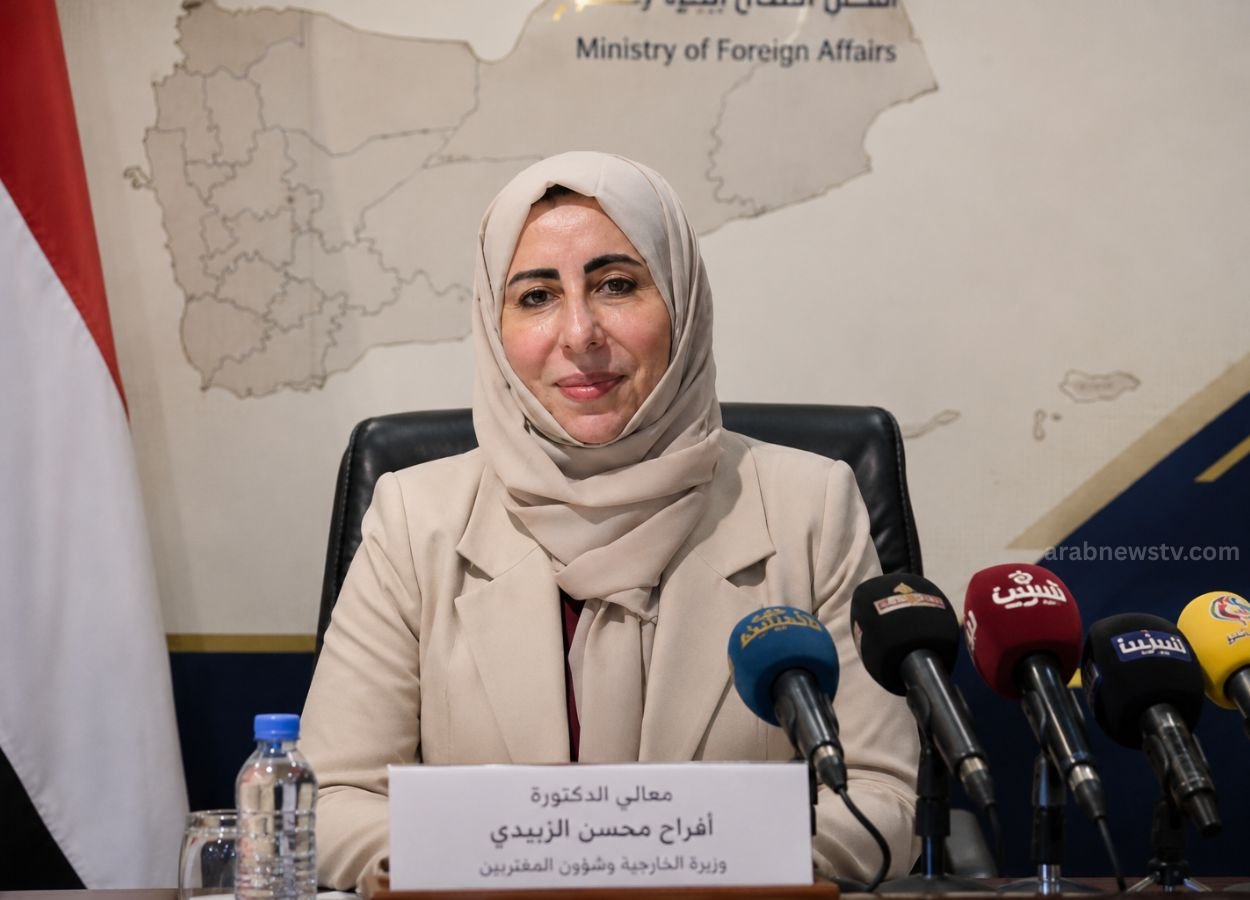
Yemeni Foreign Minister Afrah Al-Zuba said that the military buildup in Yemen and the waters around it is basically controlled by Tehran. He talked to the newspaper Asharq Al-Awsat. Said that the Houthis are working very closely with Iran. Afrah Al-Zuba believes that the Houthis and Iran are helping each other to gain power in the region. Yemeni Foreign Minister Afrah Al-Zuba thinks that Iran is really in charge of what’s happening in Yemen. The Houthis and Iran are like allies working together to get what they want. Yemeni Foreign Minister Afrah Al-Zuba made it clear that the Houthis are following Irans plans not doing what is best, for Yemen.
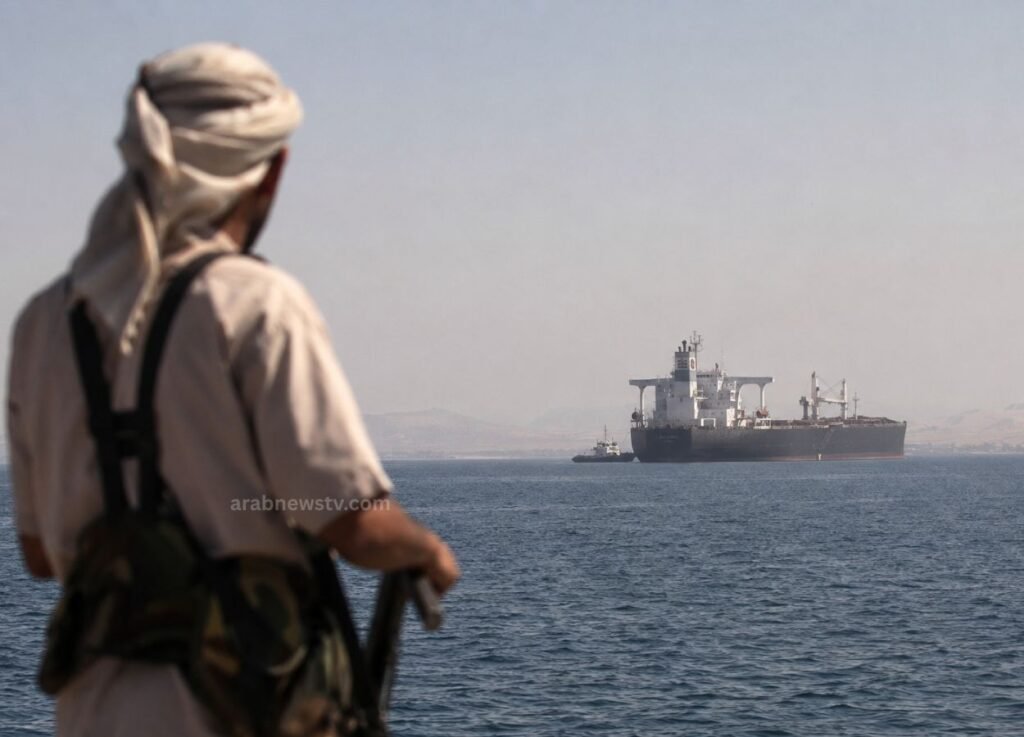
Al-Zuba, who made history as the first woman to head Yemen’s Ministry of Foreign Affairs and Expatriates, warned that treating the Houthi movement as an independent political entity overlooks the structural command lines linking their decision-making directly to Iranian military leadership. According to the foreign minister, ongoing attacks on international shipping lanes along the Red Sea and Bab el-Mandeb Strait serve external geopolitical agendas rather than the security or socio-economic welfare of the Yemeni population.
Addressing national peace efforts, Al-Zuba explained that persistent military escalations have repeatedly undermined diplomatic initiatives brokered by international mediators. She stressed that durable stability cannot take root while the insurgent group relies on continuous supplies of advanced weaponry, drone technology, and financial backing from external state actors. The minister noted that regional security requires curbing these illegal supply networks to restore Yemeni sovereignty and protect global trade channels.
Furthermore, the foreign minister urged international partners to intensify diplomatic and economic pressure against the militias while bolstering support for the internationally recognized government’s institutional reforms. She highlighted that restoring effective state governance, rebuilding economic infrastructure, and securing critical maritime borders represent the only viable pathway toward alleviating the country’s humanitarian crisis and ending years of severe internal conflict.