

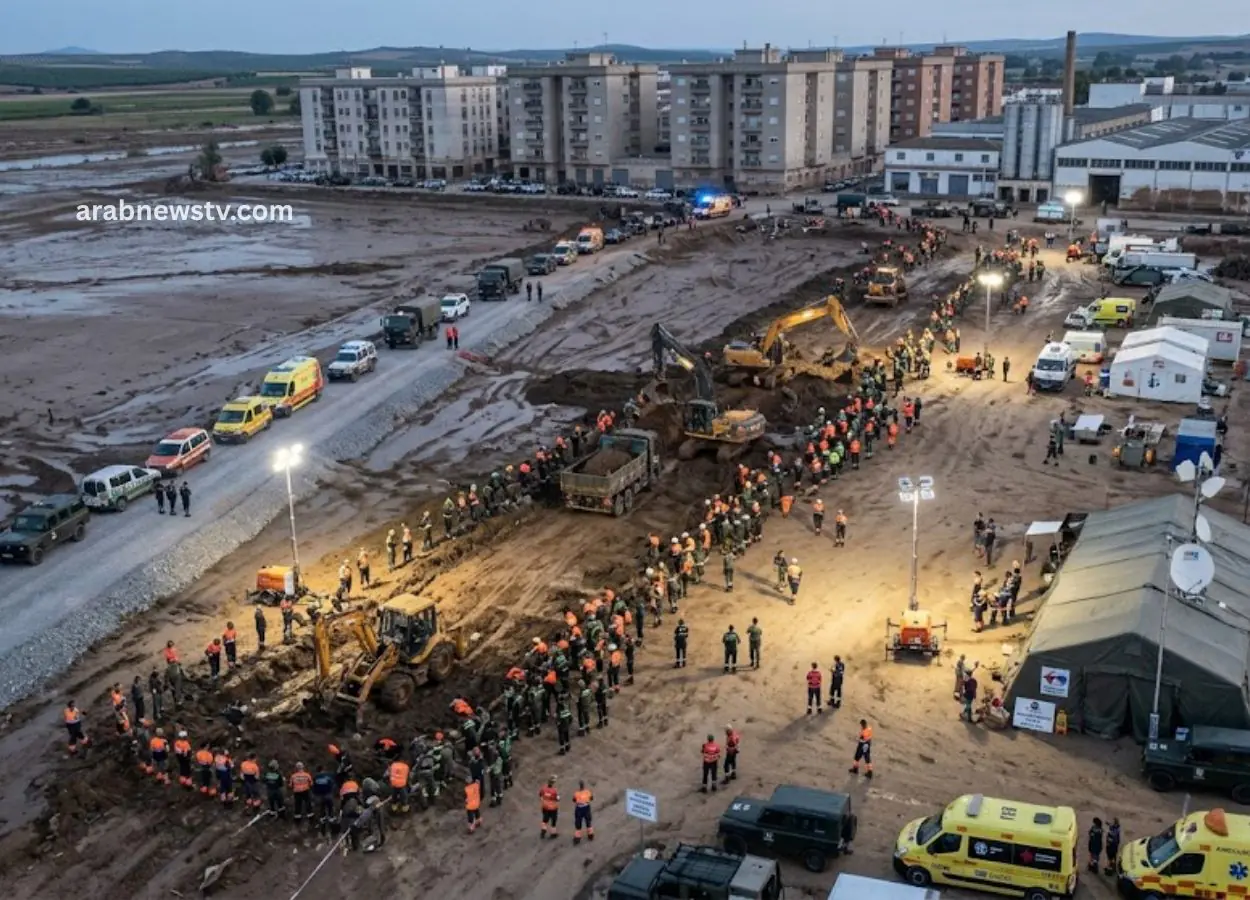
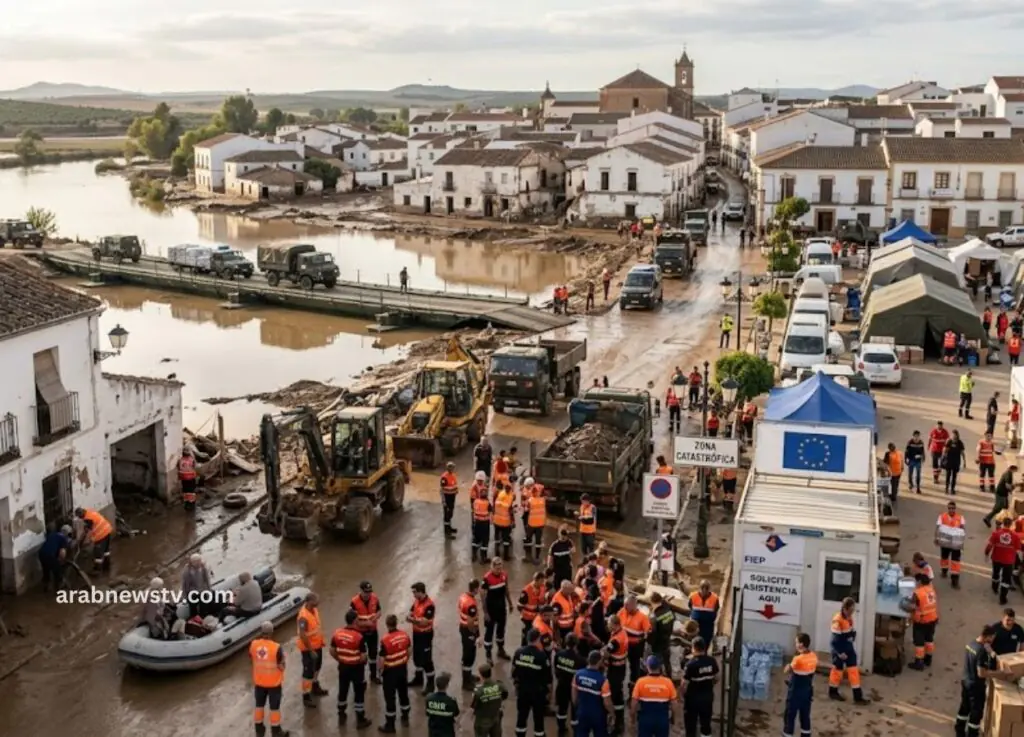
Throughout Spanish history, severe hydrological events have repeatedly reshaped the nation’s agricultural heartlands and urban centers. From the catastrophic Santa Teresa flood of 1879 in Murcia and the 1957 Great Flood of Valencia—which led to the historic rerouting of the Turia River—to modern-day isolated high-altitude depression (DANA) events, Spain’s eastern and southern regions have long stood on the front lines of extreme weather.
The human and economic toll of these recurring floods has driven major evolutions in civil protection, international disaster relief, and structural engineering. When heavy deluges overwhelm river basins in Valencia, Catalonia, Andalusia, and Murcia, national military units, international aid agencies, and thousands of community volunteers mobilize to carry out immediate search-and-rescue operations, clear silted roadways, and restore vital municipal utilities.
Rebuilding the affected heartland extends far beyond emergency response. Backed by significant European Union recovery grants and national disaster relief packages, regional authorities are implementing long-term climate adaptation strategies. These initiatives focus on constructing climate-resilient civil infrastructure, restoring natural floodplains, upgrading early-warning meteorological systems, and economic revitalization for displaced agricultural and commercial sectors.