

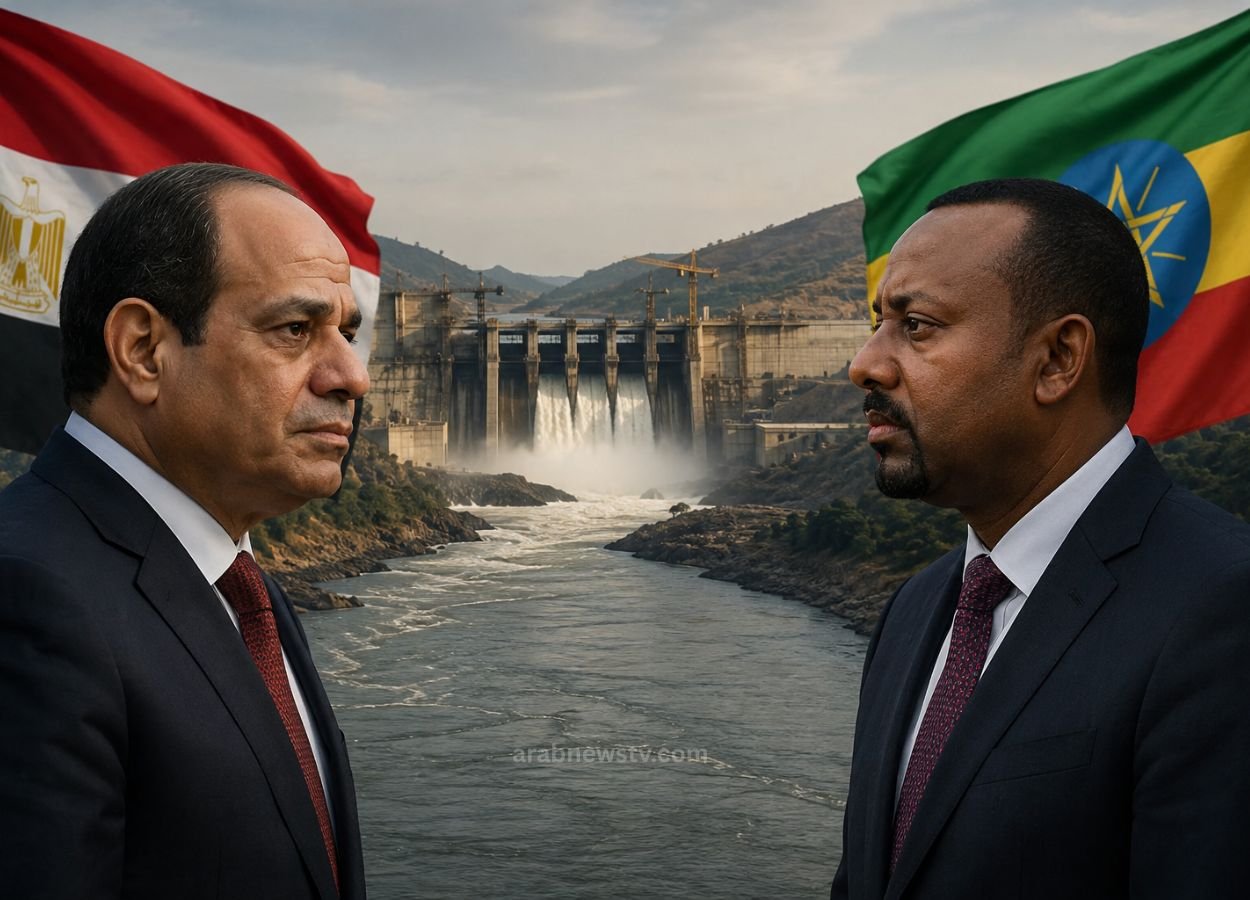
Cairo has issued a stern warning against any attempts by Addis Ababa to regulate or control the flow of the Nile River, accusing Ethiopian authorities of pursuing a unilateral approach that violates international law and threatens downstream water security.
The sharp diplomatic warning, released through Egypt’s official state media, came in response to recent statements attributed to Ethiopian Water and Energy Minister Habtamu Itefa. The Ethiopian minister indicated plans for constructing additional dams along the river and suggested that future water flows to downstream neighbors Egypt and Sudan would remain under Addis Ababa’s control.
An official Egyptian source characterized Ethiopia’s claims as a “blatant violation” of international law governing shared waterways. Cairo emphasized that explicit assertions of controlling an international river represent a dangerous attempt to establish a fait accompli, exploit geographical positioning, and undermine the historical water rights of downstream nations. Officials reiterated that the Egyptian state possesses wide-ranging, effective tools to defend its national interests and will neither accept nor permit any single nation to monopolize shared Nile resources.
The rhetoric marks a major escalation in the decade-long transboundary water dispute. Tensions have steadily mounted following the operationalization of the Grand Ethiopian Renaissance Dam (GERD) on the Blue Nile, where successive filling phases proceeded without a legally binding operational agreement between Ethiopia, Egypt, and Sudan. Egyptian and Sudanese officials argue that the absence of data-sharing mechanisms and legally binding frameworks leaves downstream infrastructure vulnerable to uncoordinated water releases.
Egyptian diplomats affirmed that Cairo remains open to sustainable development across the Nile Basin, provided that such projects respect established international principles requiring consultation, consensus, and the prevention of harm to downstream populations.