

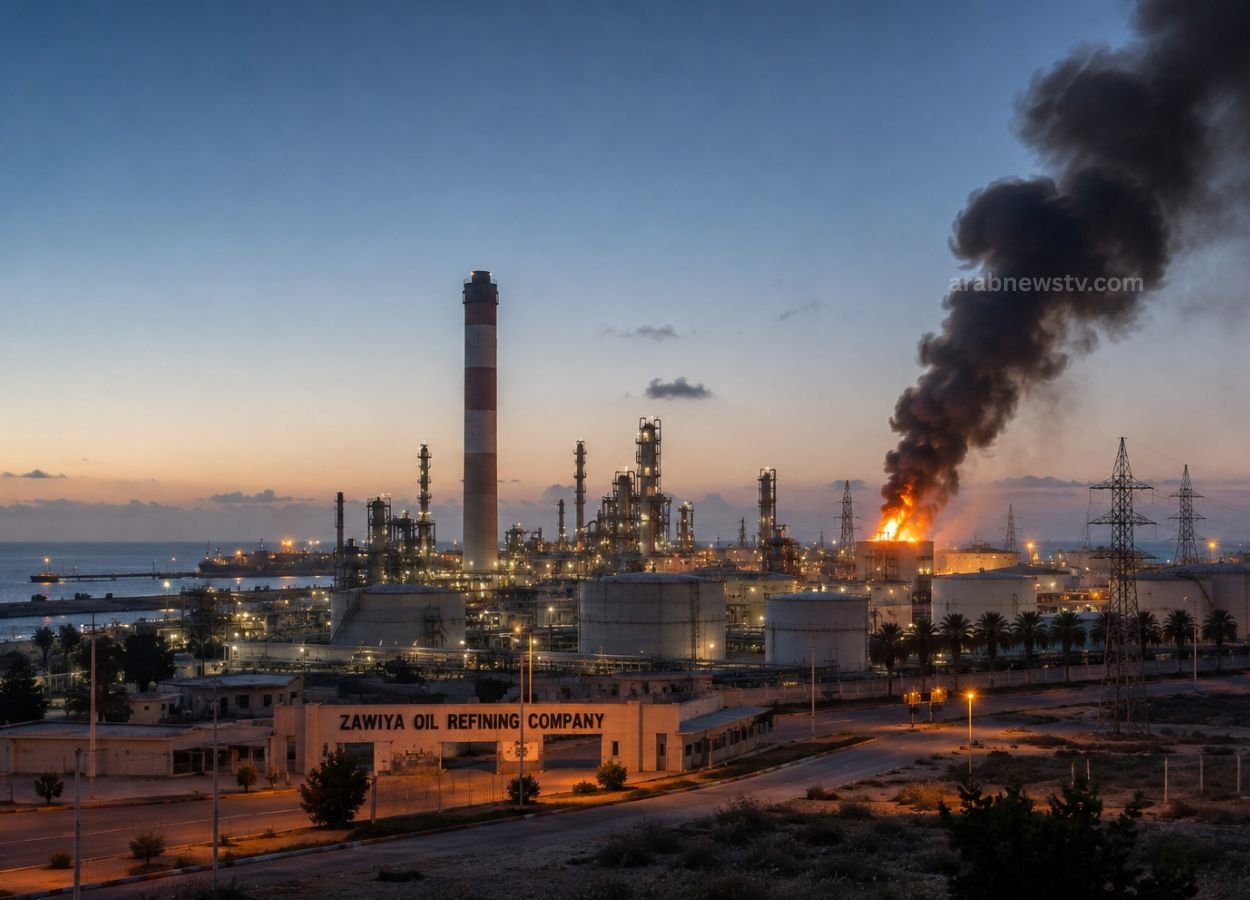
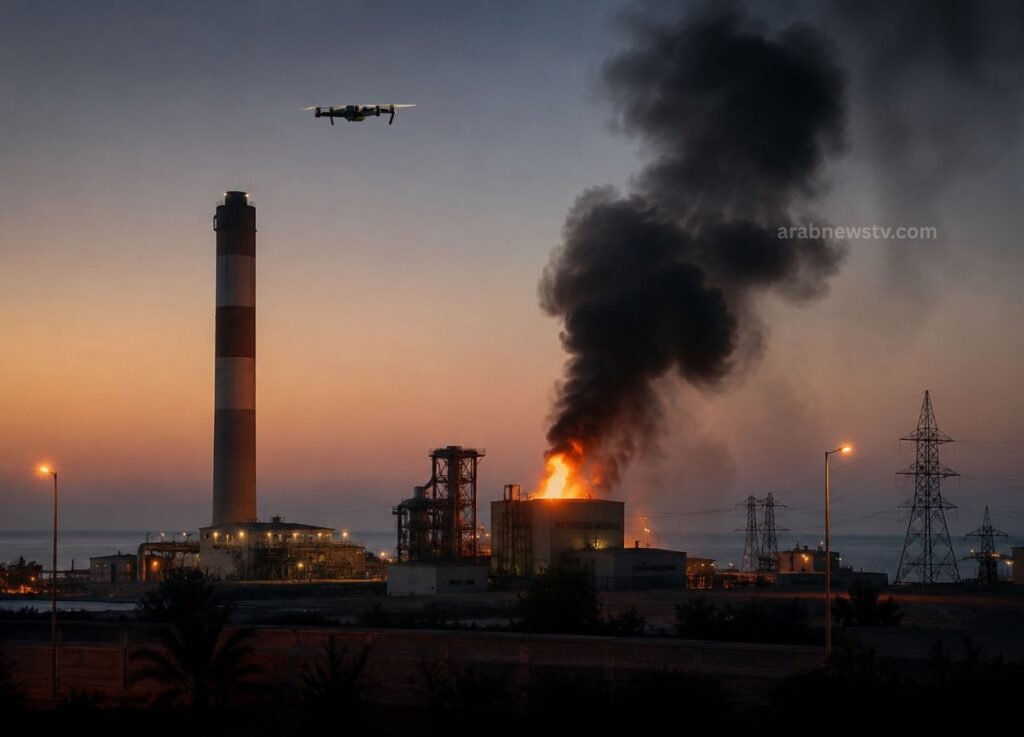
A targeted drone attack hit a power plant in the coastal city of Zawiya early on Wednesday. The attack started a fire. This is the latest in a series of attacks using unmanned planes against important energy buildings in the area. The power plant is next, to the Zawiya oil complex. This complex has the countrys oil refinery. It also has a place to send fuel out and a regional power system. The complex is 40 kilometers west of the capital, Tripoli.
Footage broadcast by local media outlets depicted emergency crews responding as flames and smoke rose from the targeted power station. While state utility authorities have not reported casualties or declared the precise structural damage, emergency response teams moved quickly to isolate the affected units to prevent power disruptions across western municipalities. No political faction or armed group has claimed responsibility for the assault.
The strike follows multiple drone bombardments targeting the adjacent Zawiya Oil Refinery operated by the state-run National Oil Corporation (NOC) and its subsidiary, Brega Petroleum Marketing. Earlier in the week, explosive-laden drones struck fuel storage facilities at the complex, puncturing diesel and gasoline reservoirs holding millions of liters of fuel. Those strikes triggered large fires and caused the structural collapse of a major storage tank before firefighters and industrial emergency teams brought the blazes under control.
Libyan Prime Minister Abdulhamid Dbeibah condemned the systematic targeting of vital state civilian infrastructure, describing the strikes as deliberate acts of sabotage that threaten national economic security. The government in Tripoli pledged a firm response to protect state institutions, even as political rivalries between western authorities and eastern-based factions led by military commander Khalifa Haftar continue to complicate regional security oversight.
Despite repeated aerial bombardments since Sunday, NOC officials confirmed that refinery operations were restored and that national fuel reserves remain sufficient to supply western power stations and domestic markets.